






Síguenos en Instagram
Más que una empresa de actividades al aire libre.

@sawyerproducts
Follow us on Instagram
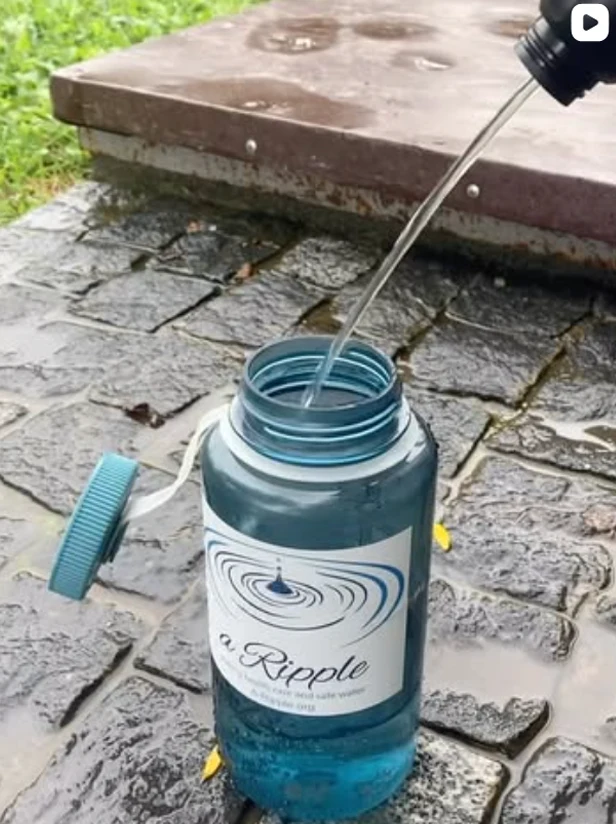

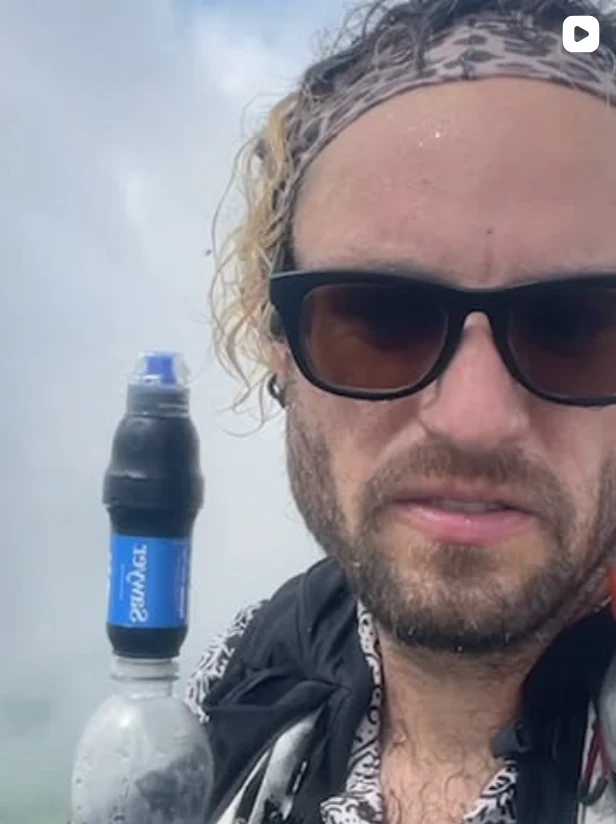
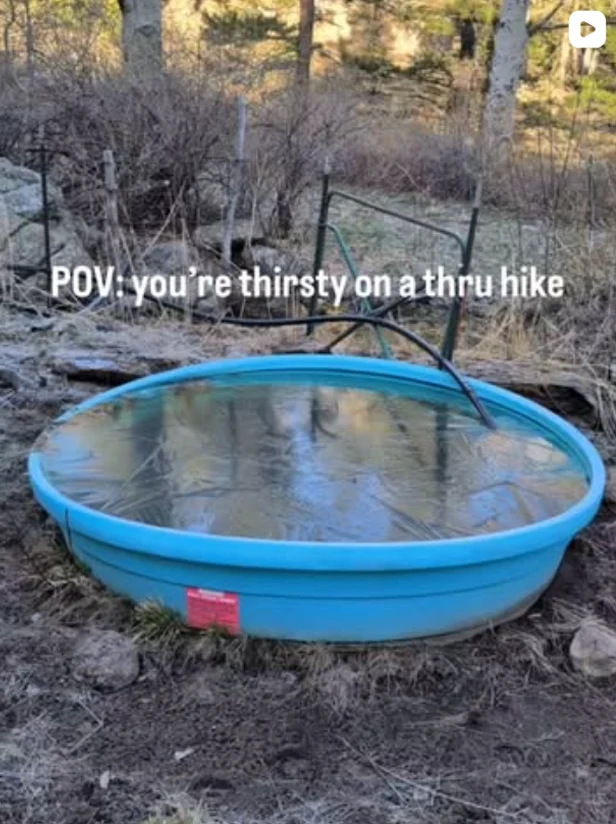



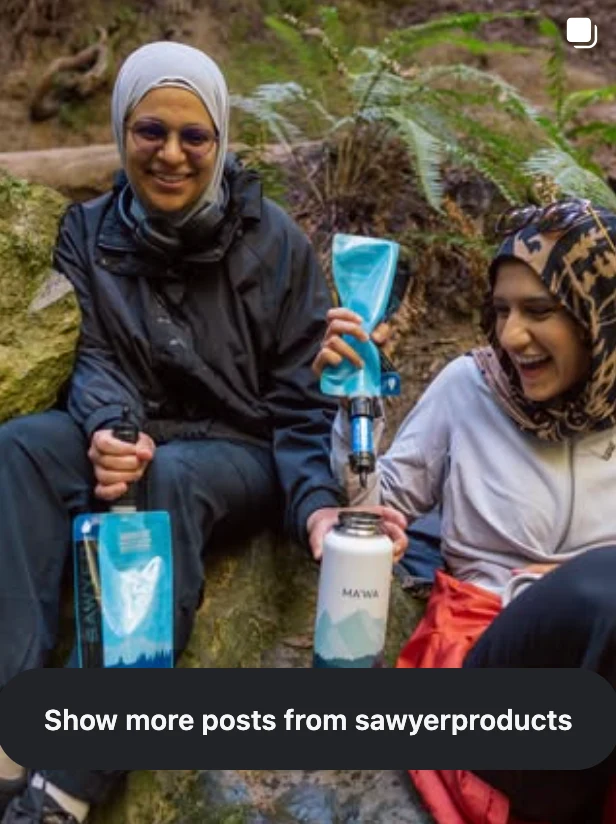

We’ll discuss our favorite water filters, break down our go-to purification treatment techniques, and more.
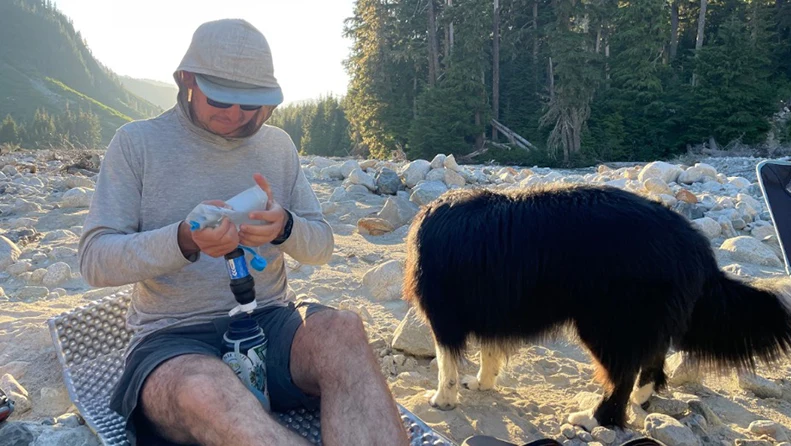
Watch videoWater is critical to life—that’s just a fact. And that’s no different when you’re camping. But many campers are ill-prepared to purify or filter water, risking waterborne illnesses caused by bacteria like E. coli to parasites like Giardia. These microscopic dangers can decimate your digestive system—some can even kill you. Perhaps worst of all, they can ruin a rad camping trip.
All jokes aside, if you’ve ever experienced one of these waterborne illnesses, you know that water filtration and purification are no laughing matter. In this guide to camp hydration, we’ll talk all things H20. We’ll explain the difference between potable and non-potable water, and the risks associated with the latter. We’ll also discuss our favorite water filters, break down our go-to purification treatment techniques, and more.
Continue reading to learn more about water filtration and purification, written by the Luno team.
Water is critical to life—that’s just a fact. And that’s no different when you’re camping. But many campers are ill-prepared to purify or filter water, risking waterborne illnesses caused by bacteria like E. coli to parasites like Giardia. These microscopic dangers can decimate your digestive system—some can even kill you. Perhaps worst of all, they can ruin a rad camping trip.
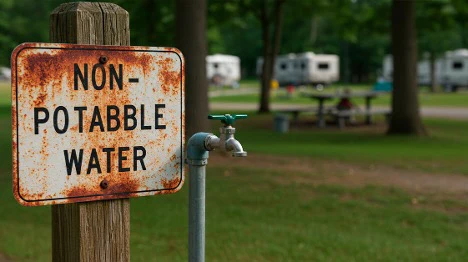
All jokes aside, if you’ve ever experienced one of these waterborne illnesses, you know that water filtration and purification are no laughing matter. In this guide to camp hydration, we’ll talk all things H20. We’ll explain the difference between potable and non-potable water, and the risks associated with the latter. We’ll also discuss our favorite water filters, break down our go-to purification treatment techniques, and more.
Continue reading to learn more about water filtration and purification, written by the Luno team.
Water is critical to life—that’s just a fact. And that’s no different when you’re camping. But many campers are ill-prepared to purify or filter water, risking waterborne illnesses caused by bacteria like E. coli to parasites like Giardia. These microscopic dangers can decimate your digestive system—some can even kill you. Perhaps worst of all, they can ruin a rad camping trip.
All jokes aside, if you’ve ever experienced one of these waterborne illnesses, you know that water filtration and purification are no laughing matter. In this guide to camp hydration, we’ll talk all things H20. We’ll explain the difference between potable and non-potable water, and the risks associated with the latter. We’ll also discuss our favorite water filters, break down our go-to purification treatment techniques, and more.
Continue reading to learn more about water filtration and purification, written by the Luno team.
Más que una empresa de actividades al aire libre.

