










Síguenos en Instagram
Más que una empresa de actividades al aire libre.

@sawyerproducts
Follow us on Instagram
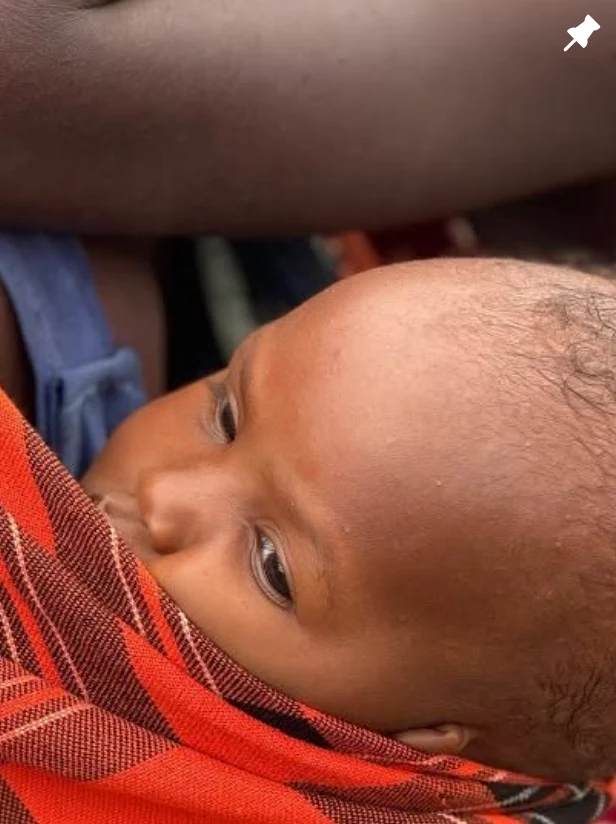
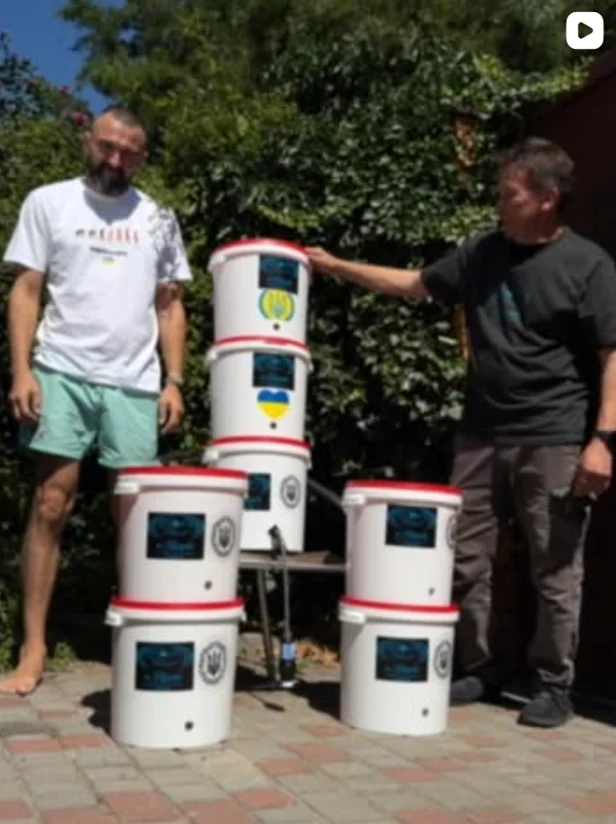
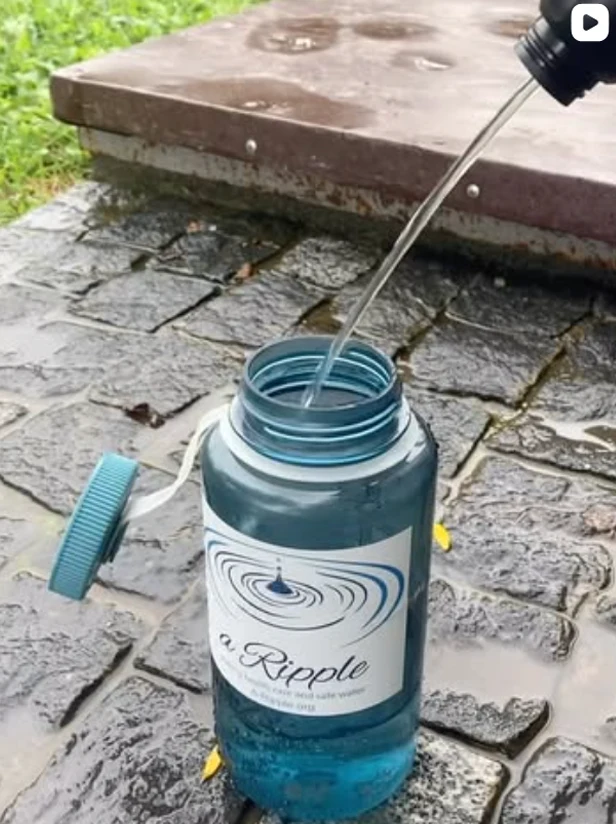


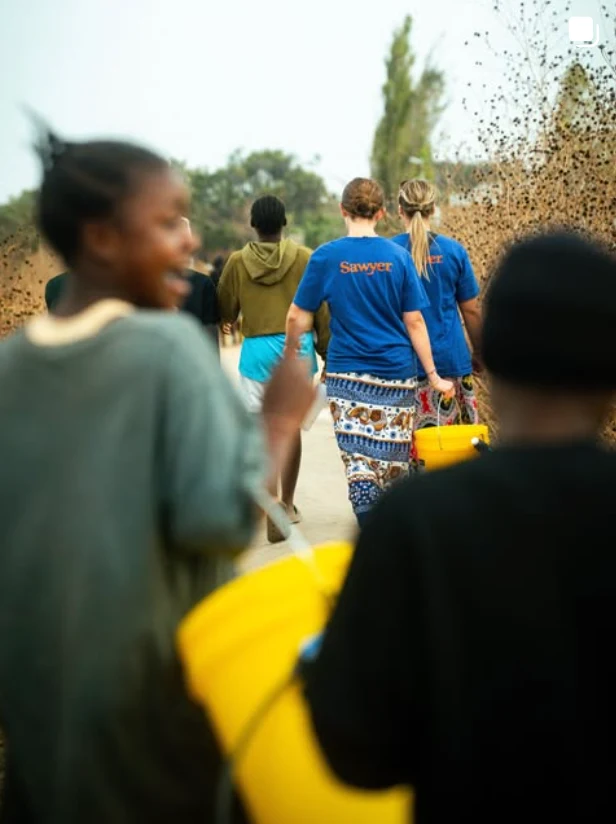
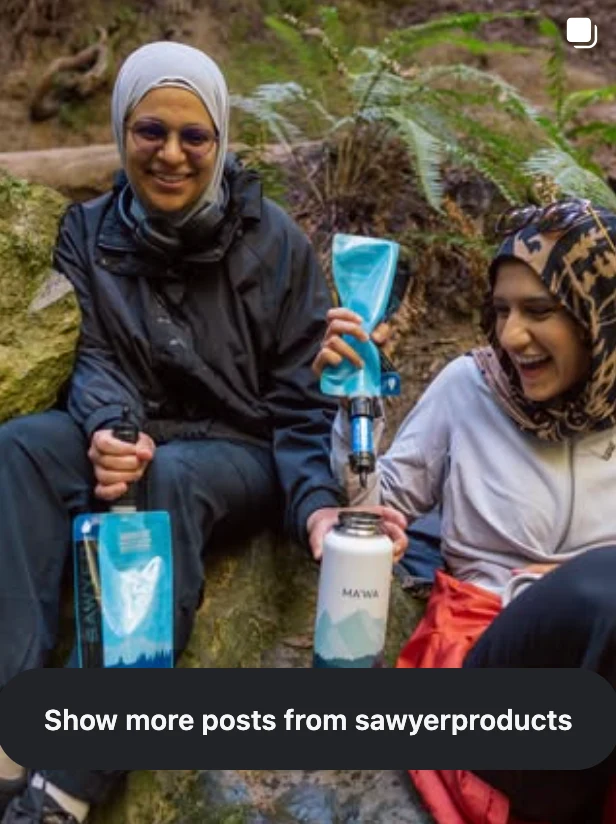

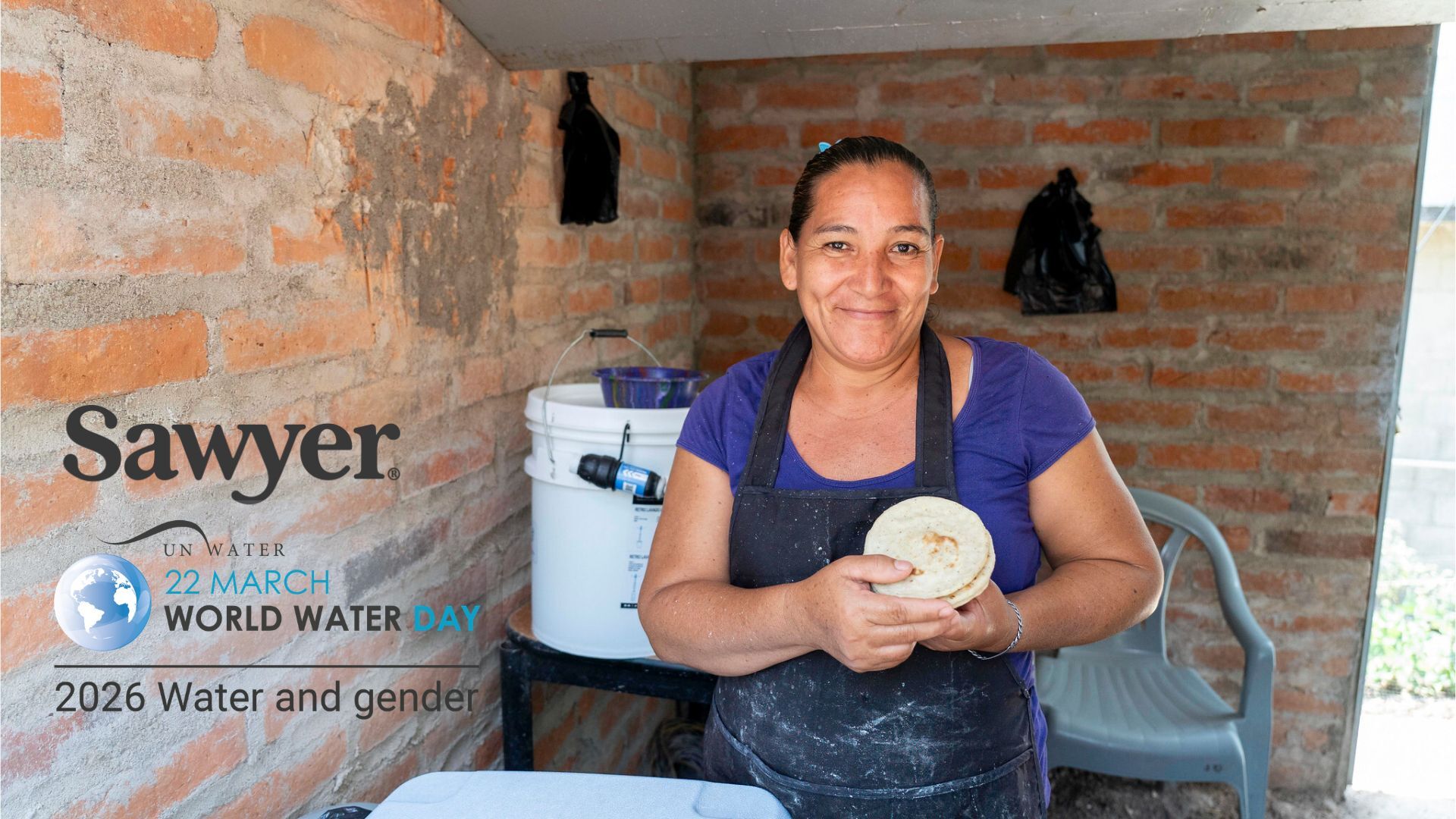
This year, WWD recognizes the value of including women in the clean water movement worldwide, while exposing the inequities of the global water crisis.
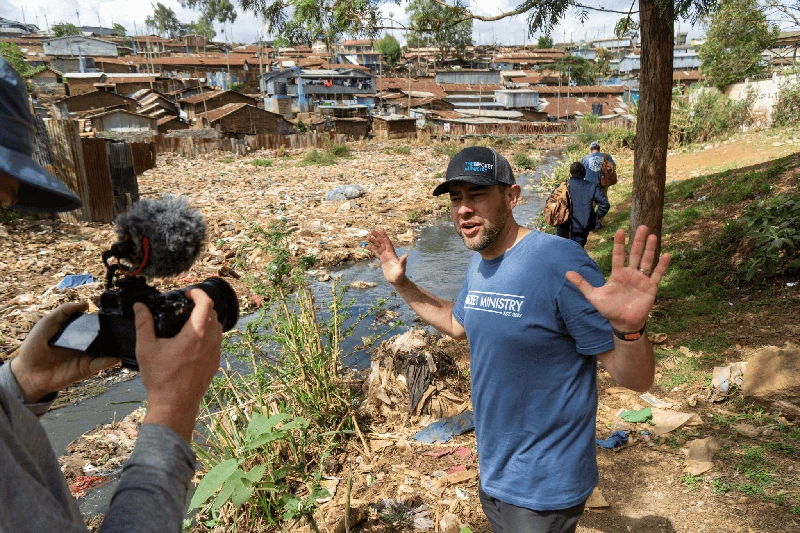
Watch videoBillions of people still lack access to clean drinking water, and that number is only rising. According to a recent report by the UNU, ”Nearly three-quarters of the world’s population lives in countries classified as water-insecure or critically water-insecure.”
Historically taking place in the midst of International Women’s History Month, the United Nations has observed World Water Day to acknowledge the importance of clean drinking water for all - and this year, the theme couldn’t be more appropriate.
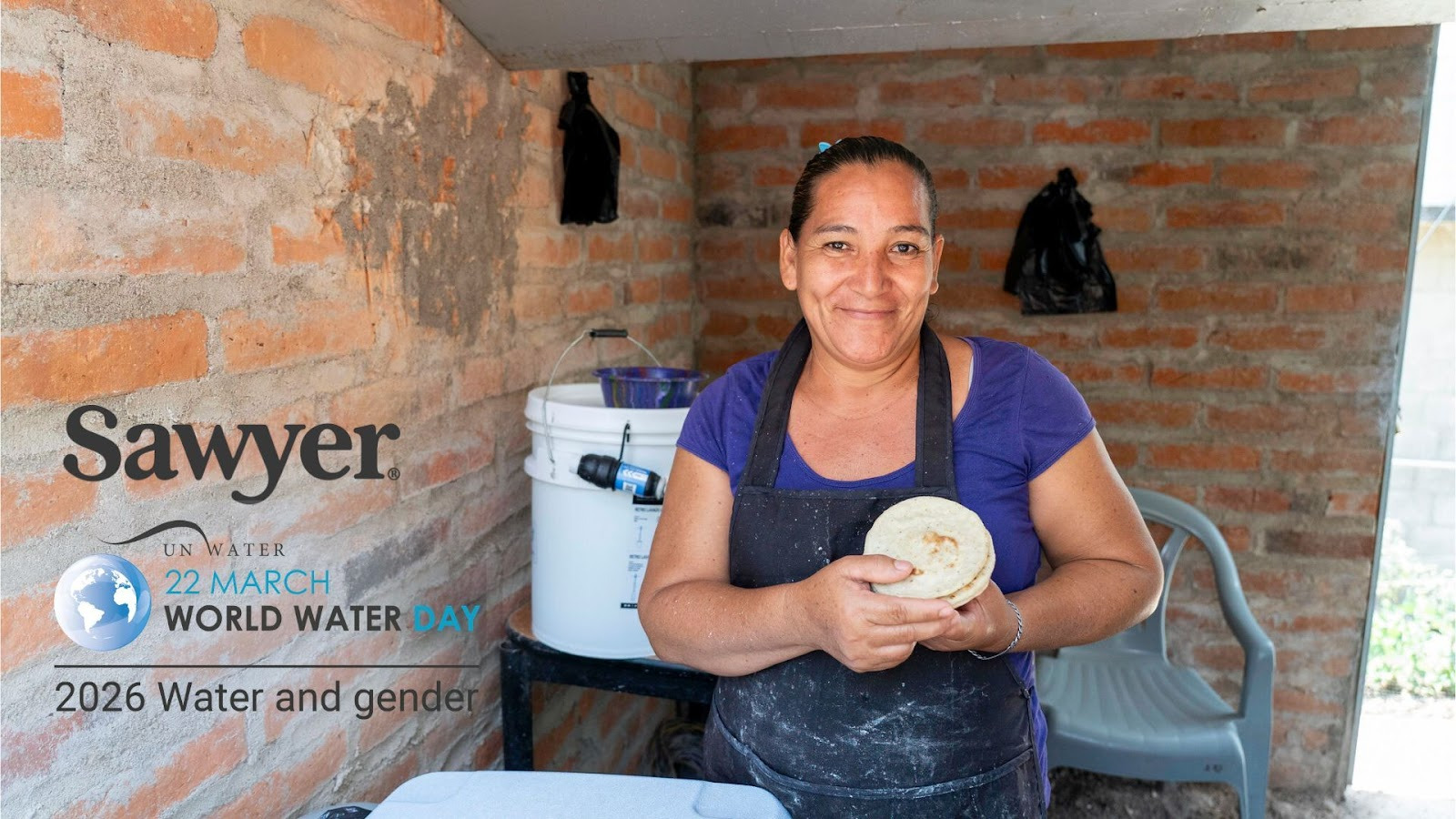
They collect water. They manage water. They care for people made sick by unsafe water. They lose time, health, safety, and opportunity.
Too often, the systems that govern water leave women and girls out of decision-making, leadership, funding, and representation. This makes the water crisis a women’s crisis.
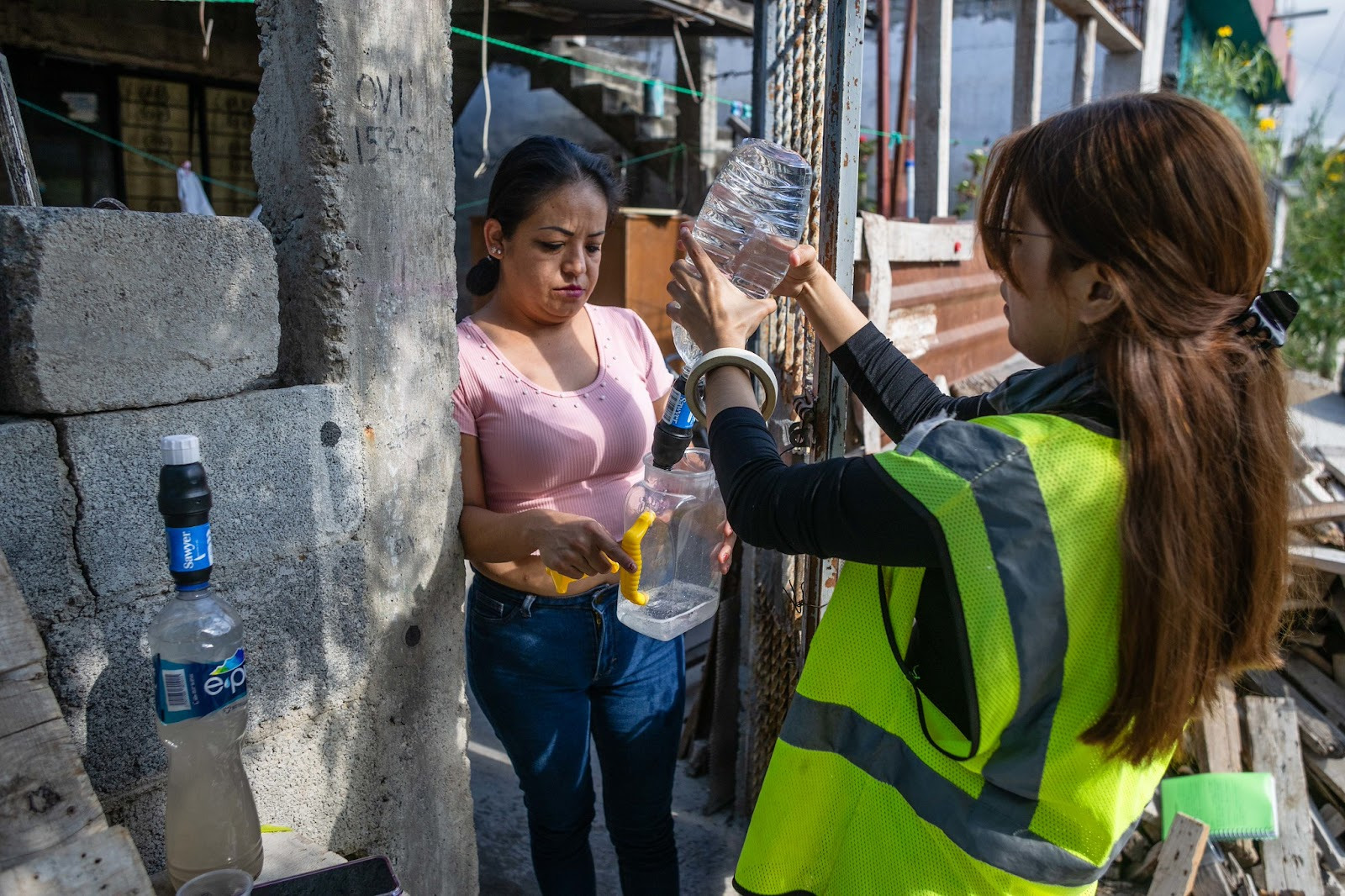
Water scarcity is becoming the new norm for an increasing number of people worldwide, and the need for clean water funding continues to grow. While many organizations are eager to address the rising need for clean water access around the world, they often lack the funding, tools, and systems to implement effective, accountable water projects.
For this reason, The Sawyer Foundation helps equip vetted nonprofits to bring safe water to under-resourced communities worldwide.
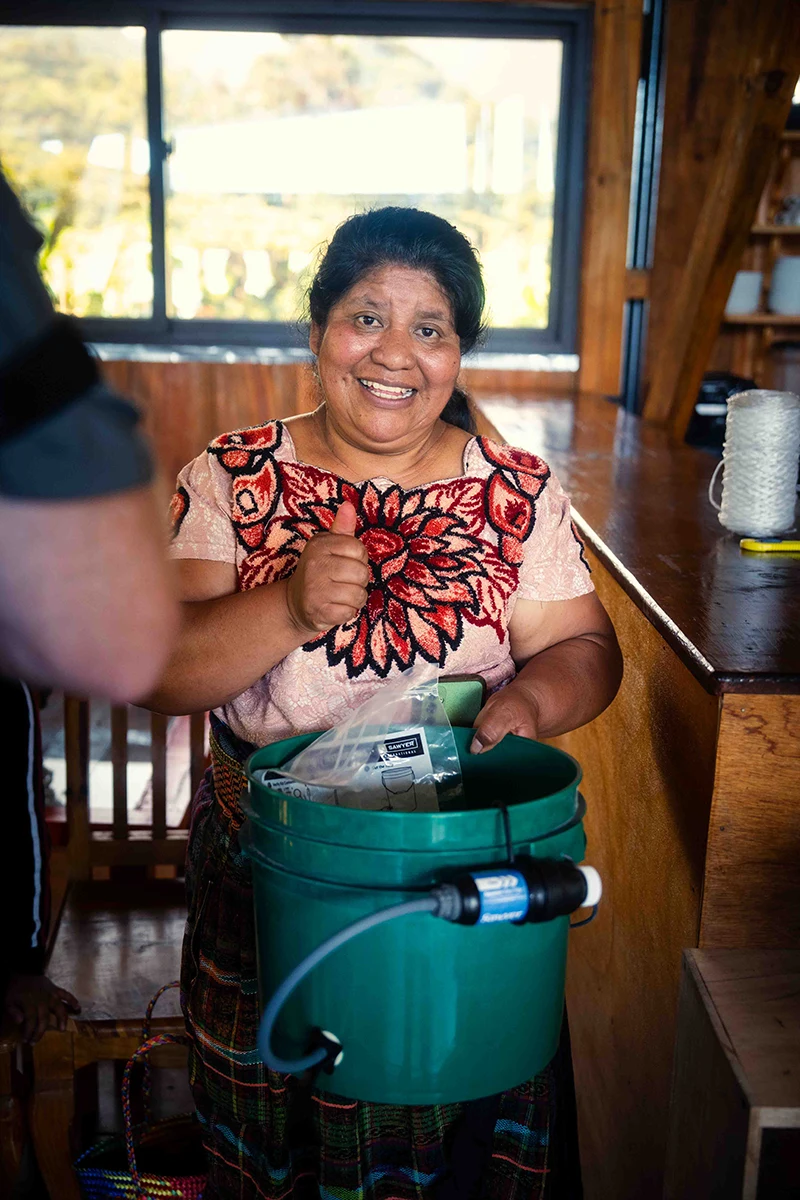
The Sawyer Foundation awards grants to nonprofits for funding, coaching, and accountability to support community-based, sustainable clean-water solutions utilizing hollow-fiber membrane filters.
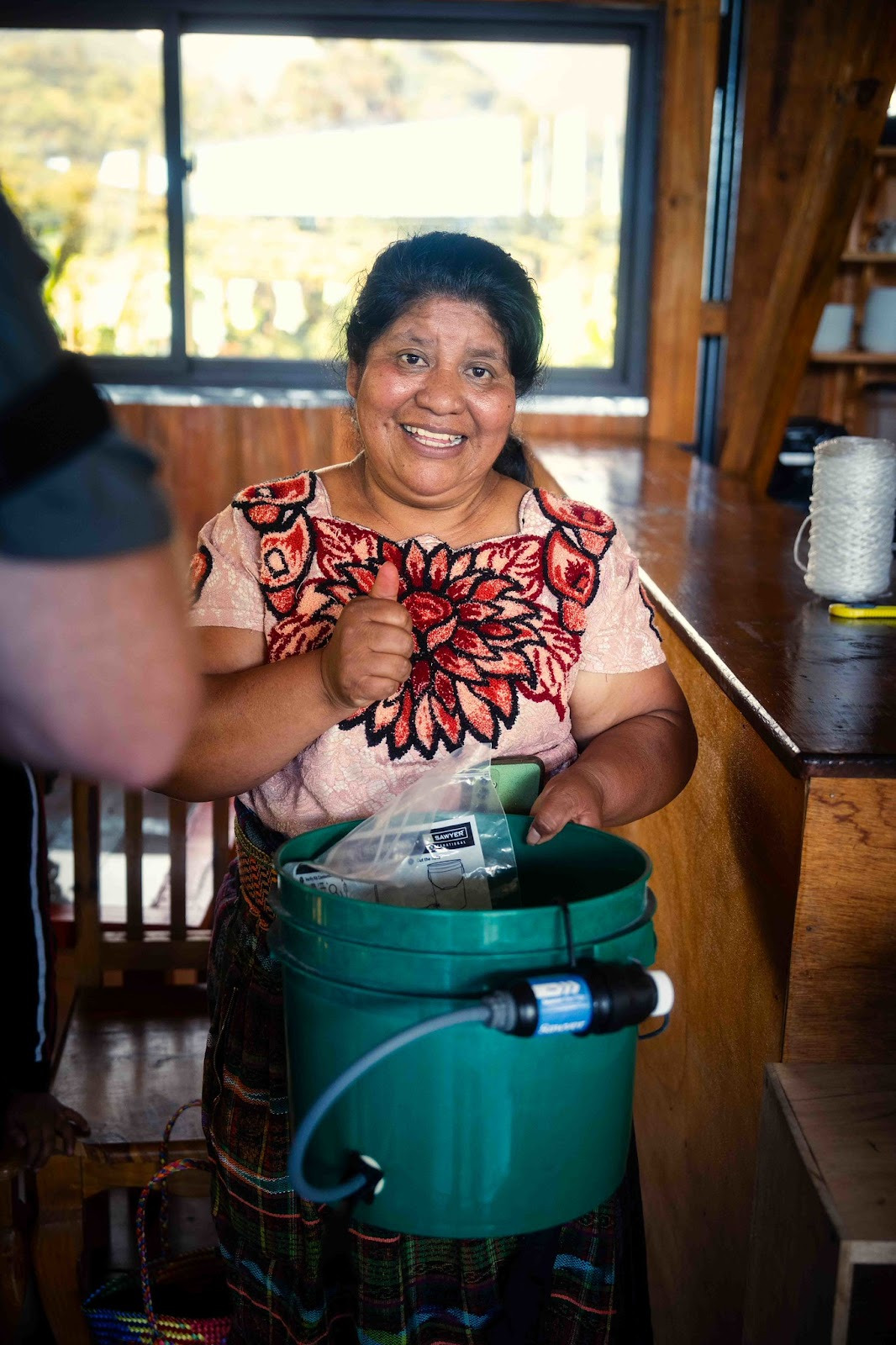
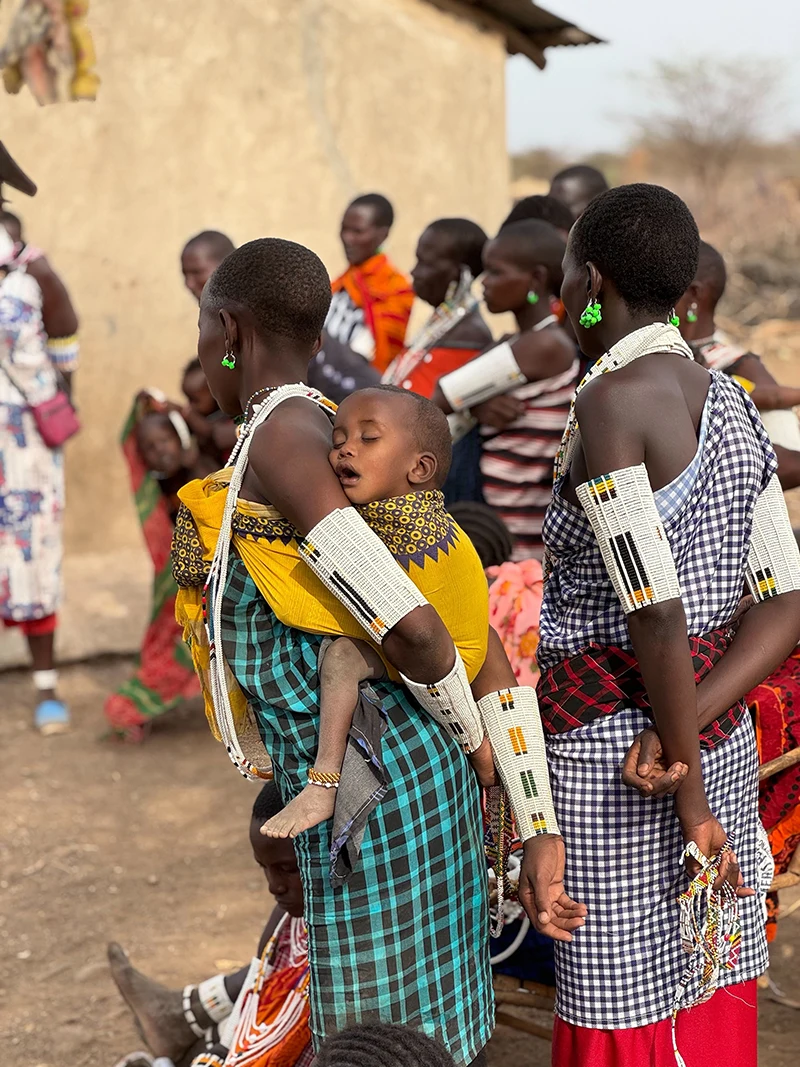
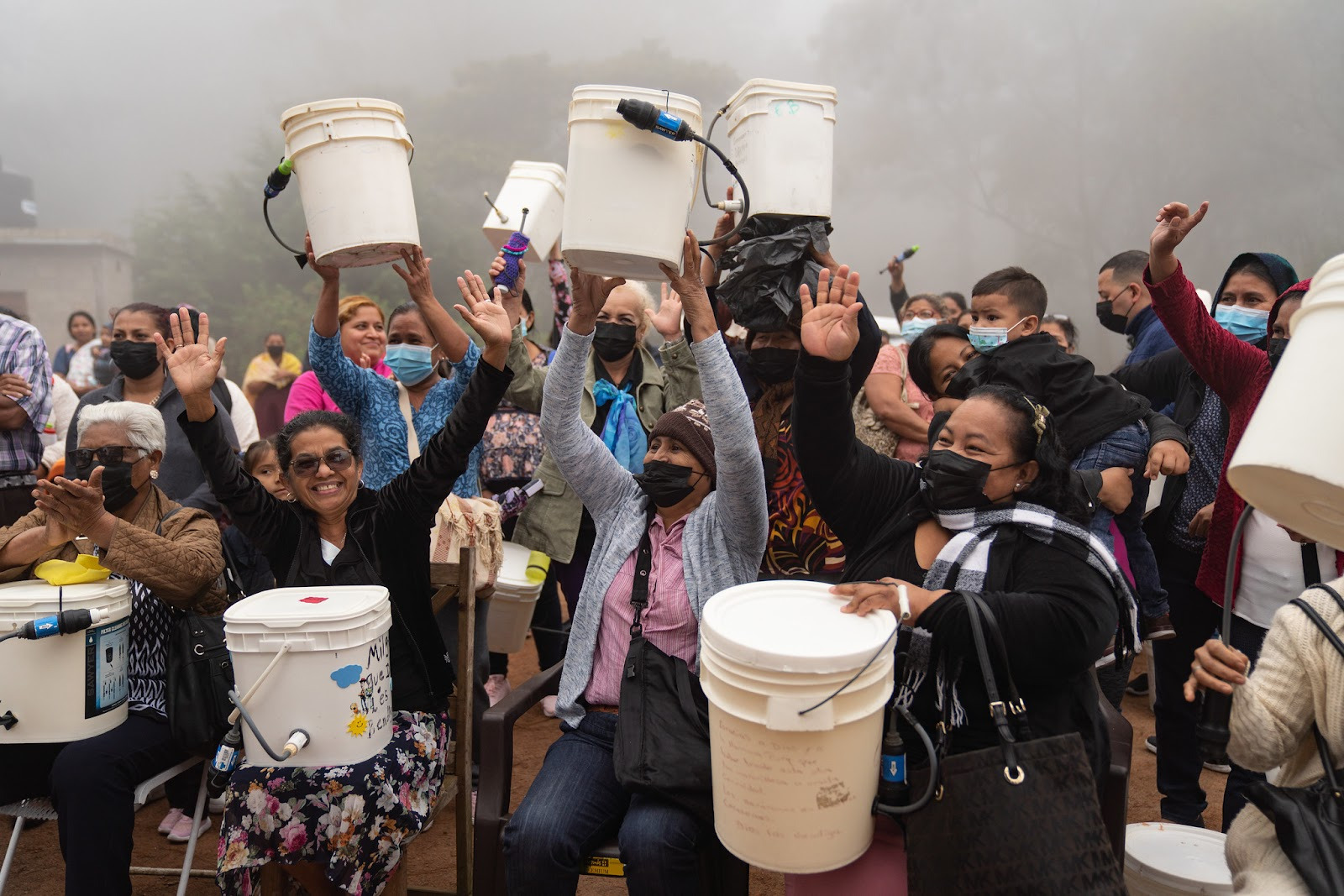
Clean drinking water can be life-changing, but the burden of securing and maintaining it for a household is often unequal. In many communities, the responsibility of collecting and filtering water frequently falls on the shoulders of women. This often requires women to travel great lengths on foot and comes at the expense of their education and safety.
Where people lack the human rights to safe drinking water and sanitation, inequalities flourish, with women and girls bearing the brunt. It’s time to center women and girls in water solutions.
"That's really our strategy: to empower the woman and then she will empower her family." — Monique Levy-Strauss, founder, Kora In Okrane (KIO)
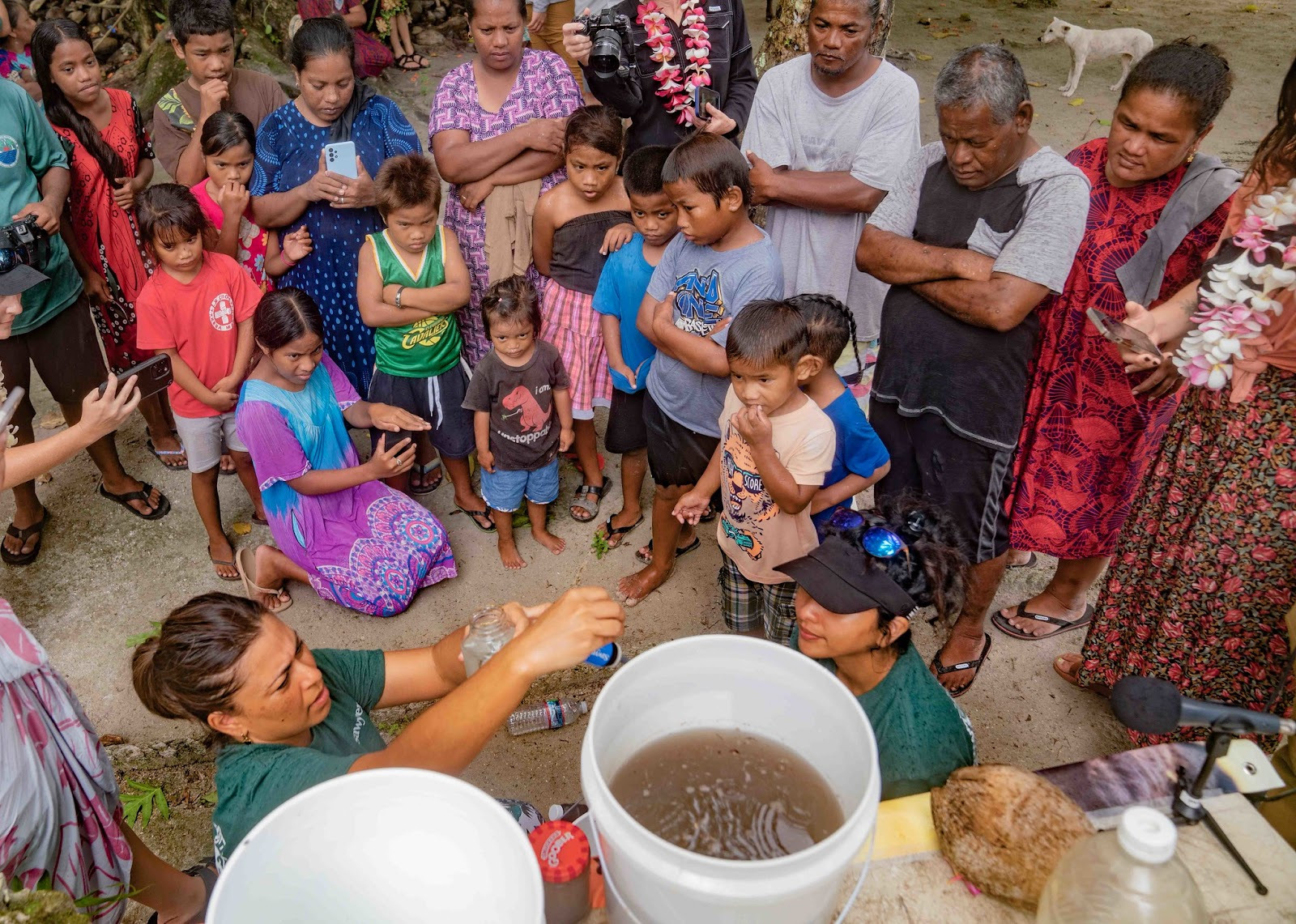
As we face growing risks - from a changing climate and water-related disasters to financing shortfalls and social norms to governance gaps - we need everybody to play their full part: managing water as a common good and building resilience for the future.
We need a transformative, rights-based approach to solving the water crisis, where women’s voices, leadership and agency are fully recognized.
When women and girls have equal voice in water decisions, services also become more inclusive, sustainable and effective.
Only then can safe water services meet everyone’s needs – empowering women and girls to lead healthier, more fulfilled lives – and making water a force for sustainable development and gender equality that benefits us all.
“When women are empowered, they become an essential ally in protecting water, the environment, and their families. We must embody compassionate leadership that inspires unity with loving generosity, appreciation, and respect for the earth.” — The Waterbearers
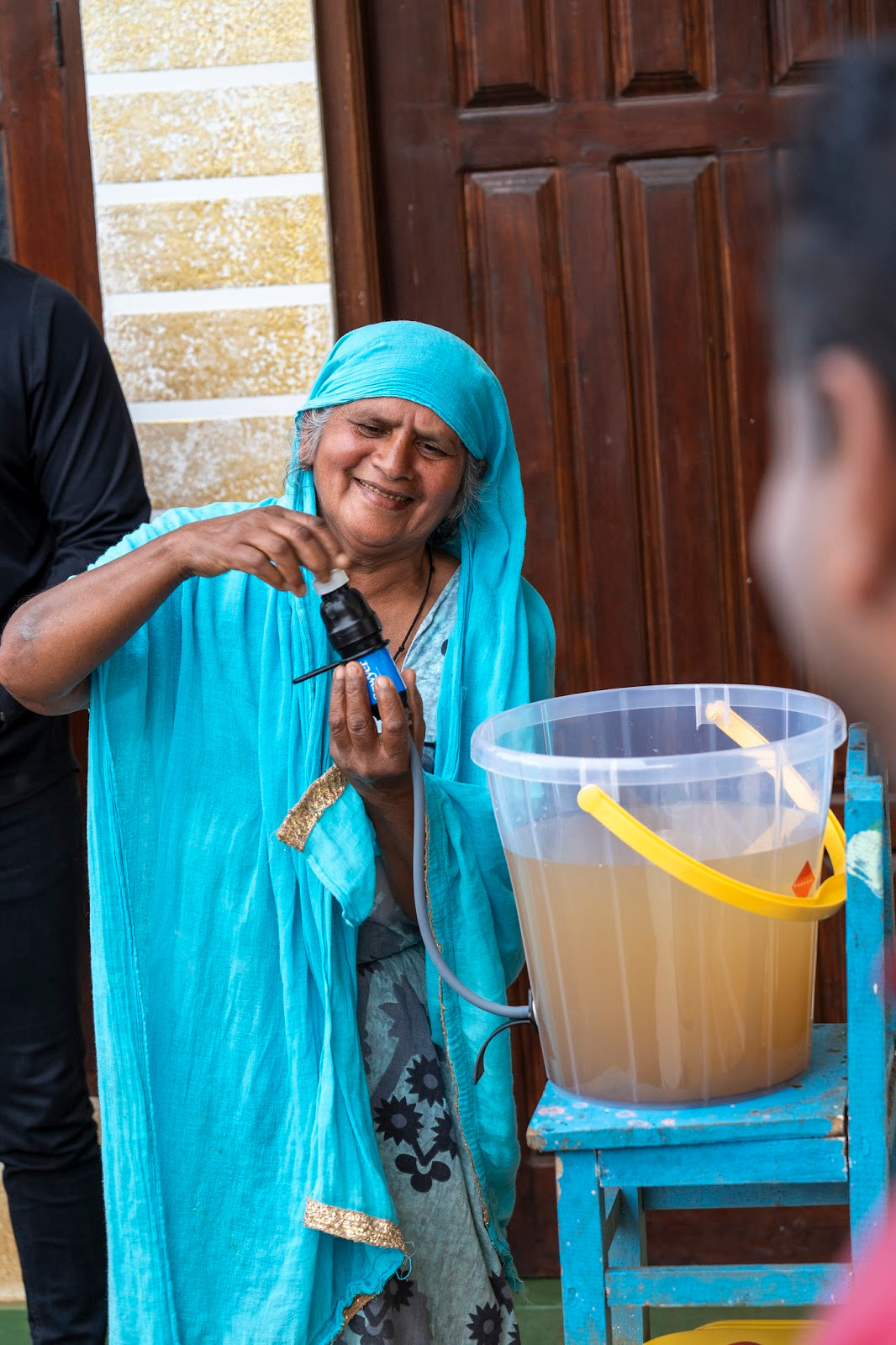
When water leadership includes equal representation of women, women are more likely to be embraced in other roles as well.
This includes recruiting and engaging men and boys as allies in promoting safe water, sanitation and hygiene for all, and in challenging the norms and behaviors that hold women and girls back.
“Our success is driven by the dedication, commitment, and the love of mothers worldwide. Fortunately, our Water Women don’t need to accomplish the impossible. They have the resources, training, and knowledge needed succeed, powered by a mother’s love.” — Water by Women
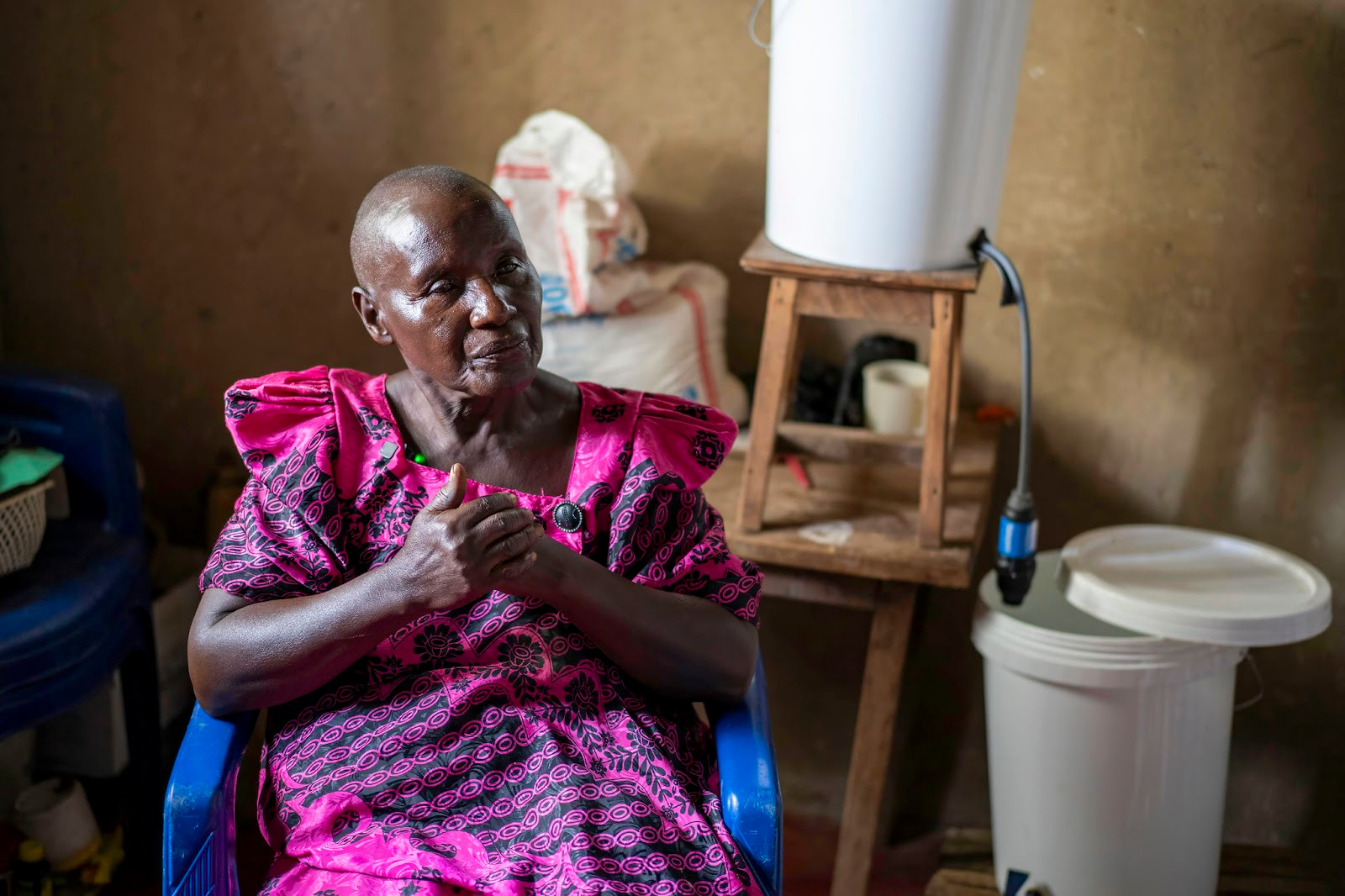
While incredible projects are in motion all across the globe, there is still much to be done.
In 2025 alone, the Sawyer Foundation invested over $450,000 in clean water projects, and Sawyer donated more than 118,000 filters, helping 1 million more people gain access to safe drinking water.

Global Water Bankruptcy: Living Beyond Our Hydrological Means in the Post-Crisis Era
by United Nations University Institute for Water, Environment and Health
World Water Day Theme Archive by UN Water
Celebrando a las Mujeres del Agua de Honduras por Chelsea Newton en el Blog de Sawyer
How the World Water Crisis Disproportionately Affects Women by Hannah Singleton
Drinking Water by UNICEF

Billions of people still lack access to clean drinking water, and that number is only rising. According to a recent report by the UNU, ”Nearly three-quarters of the world’s population lives in countries classified as water-insecure or critically water-insecure.”
Historically taking place in the midst of International Women’s History Month, the United Nations has observed World Water Day to acknowledge the importance of clean drinking water for all - and this year, the theme couldn’t be more appropriate.
They collect water. They manage water. They care for people made sick by unsafe water. They lose time, health, safety, and opportunity.
Too often, the systems that govern water leave women and girls out of decision-making, leadership, funding, and representation. This makes the water crisis a women’s crisis.
Water scarcity is becoming the new norm for an increasing number of people worldwide, and the need for clean water funding continues to grow. While many organizations are eager to address the rising need for clean water access around the world, they often lack the funding, tools, and systems to implement effective, accountable water projects.
For this reason, The Sawyer Foundation helps equip vetted nonprofits to bring safe water to under-resourced communities worldwide.
The Sawyer Foundation awards grants to nonprofits for funding, coaching, and accountability to support community-based, sustainable clean-water solutions utilizing hollow-fiber membrane filters.
Clean drinking water can be life-changing, but the burden of securing and maintaining it for a household is often unequal. In many communities, the responsibility of collecting and filtering water frequently falls on the shoulders of women. This often requires women to travel great lengths on foot and comes at the expense of their education and safety.
Where people lack the human rights to safe drinking water and sanitation, inequalities flourish, with women and girls bearing the brunt. It’s time to center women and girls in water solutions.
"That's really our strategy: to empower the woman and then she will empower her family." — Monique Levy-Strauss, founder, Kora In Okrane (KIO)
As we face growing risks - from a changing climate and water-related disasters to financing shortfalls and social norms to governance gaps - we need everybody to play their full part: managing water as a common good and building resilience for the future.
We need a transformative, rights-based approach to solving the water crisis, where women’s voices, leadership and agency are fully recognized.
When women and girls have equal voice in water decisions, services also become more inclusive, sustainable and effective.
Only then can safe water services meet everyone’s needs – empowering women and girls to lead healthier, more fulfilled lives – and making water a force for sustainable development and gender equality that benefits us all.
“When women are empowered, they become an essential ally in protecting water, the environment, and their families. We must embody compassionate leadership that inspires unity with loving generosity, appreciation, and respect for the earth.” — The Waterbearers
When water leadership includes equal representation of women, women are more likely to be embraced in other roles as well.
This includes recruiting and engaging men and boys as allies in promoting safe water, sanitation and hygiene for all, and in challenging the norms and behaviors that hold women and girls back.
“Our success is driven by the dedication, commitment, and the love of mothers worldwide. Fortunately, our Water Women don’t need to accomplish the impossible. They have the resources, training, and knowledge needed succeed, powered by a mother’s love.” — Water by Women
While incredible projects are in motion all across the globe, there is still much to be done.
In 2025 alone, the Sawyer Foundation invested over $450,000 in clean water projects, and Sawyer donated more than 118,000 filters, helping 1 million more people gain access to safe drinking water.
Global Water Bankruptcy: Living Beyond Our Hydrological Means in the Post-Crisis Era
by United Nations University Institute for Water, Environment and Health
World Water Day Theme Archive by UN Water
Celebrando a las Mujeres del Agua de Honduras por Chelsea Newton en el Blog de Sawyer
How the World Water Crisis Disproportionately Affects Women by Hannah Singleton
Drinking Water by UNICEF
Billions of people still lack access to clean drinking water, and that number is only rising. According to a recent report by the UNU, ”Nearly three-quarters of the world’s population lives in countries classified as water-insecure or critically water-insecure.”
Historically taking place in the midst of International Women’s History Month, the United Nations has observed World Water Day to acknowledge the importance of clean drinking water for all - and this year, the theme couldn’t be more appropriate.
They collect water. They manage water. They care for people made sick by unsafe water. They lose time, health, safety, and opportunity.
Too often, the systems that govern water leave women and girls out of decision-making, leadership, funding, and representation. This makes the water crisis a women’s crisis.
Water scarcity is becoming the new norm for an increasing number of people worldwide, and the need for clean water funding continues to grow. While many organizations are eager to address the rising need for clean water access around the world, they often lack the funding, tools, and systems to implement effective, accountable water projects.
For this reason, The Sawyer Foundation helps equip vetted nonprofits to bring safe water to under-resourced communities worldwide.
The Sawyer Foundation awards grants to nonprofits for funding, coaching, and accountability to support community-based, sustainable clean-water solutions utilizing hollow-fiber membrane filters.
Clean drinking water can be life-changing, but the burden of securing and maintaining it for a household is often unequal. In many communities, the responsibility of collecting and filtering water frequently falls on the shoulders of women. This often requires women to travel great lengths on foot and comes at the expense of their education and safety.
Where people lack the human rights to safe drinking water and sanitation, inequalities flourish, with women and girls bearing the brunt. It’s time to center women and girls in water solutions.
"That's really our strategy: to empower the woman and then she will empower her family." — Monique Levy-Strauss, founder, Kora In Okrane (KIO)
As we face growing risks - from a changing climate and water-related disasters to financing shortfalls and social norms to governance gaps - we need everybody to play their full part: managing water as a common good and building resilience for the future.
We need a transformative, rights-based approach to solving the water crisis, where women’s voices, leadership and agency are fully recognized.
When women and girls have equal voice in water decisions, services also become more inclusive, sustainable and effective.
Only then can safe water services meet everyone’s needs – empowering women and girls to lead healthier, more fulfilled lives – and making water a force for sustainable development and gender equality that benefits us all.
“When women are empowered, they become an essential ally in protecting water, the environment, and their families. We must embody compassionate leadership that inspires unity with loving generosity, appreciation, and respect for the earth.” — The Waterbearers
When water leadership includes equal representation of women, women are more likely to be embraced in other roles as well.
This includes recruiting and engaging men and boys as allies in promoting safe water, sanitation and hygiene for all, and in challenging the norms and behaviors that hold women and girls back.
“Our success is driven by the dedication, commitment, and the love of mothers worldwide. Fortunately, our Water Women don’t need to accomplish the impossible. They have the resources, training, and knowledge needed succeed, powered by a mother’s love.” — Water by Women
While incredible projects are in motion all across the globe, there is still much to be done.
In 2025 alone, the Sawyer Foundation invested over $450,000 in clean water projects, and Sawyer donated more than 118,000 filters, helping 1 million more people gain access to safe drinking water.
Global Water Bankruptcy: Living Beyond Our Hydrological Means in the Post-Crisis Era
by United Nations University Institute for Water, Environment and Health
World Water Day Theme Archive by UN Water
Celebrando a las Mujeres del Agua de Honduras por Chelsea Newton en el Blog de Sawyer
How the World Water Crisis Disproportionately Affects Women by Hannah Singleton
Drinking Water by UNICEF
Más que una empresa de actividades al aire libre.

