






UK Department of Entomology: The Lone Star Tick in Kentucky

A review of the Lone Start Tick and how to protect yourself against it.

UK Department of Entomology: The Lone Star Tick in Kentucky

Last updated:
March 10, 2025
|  5 min read
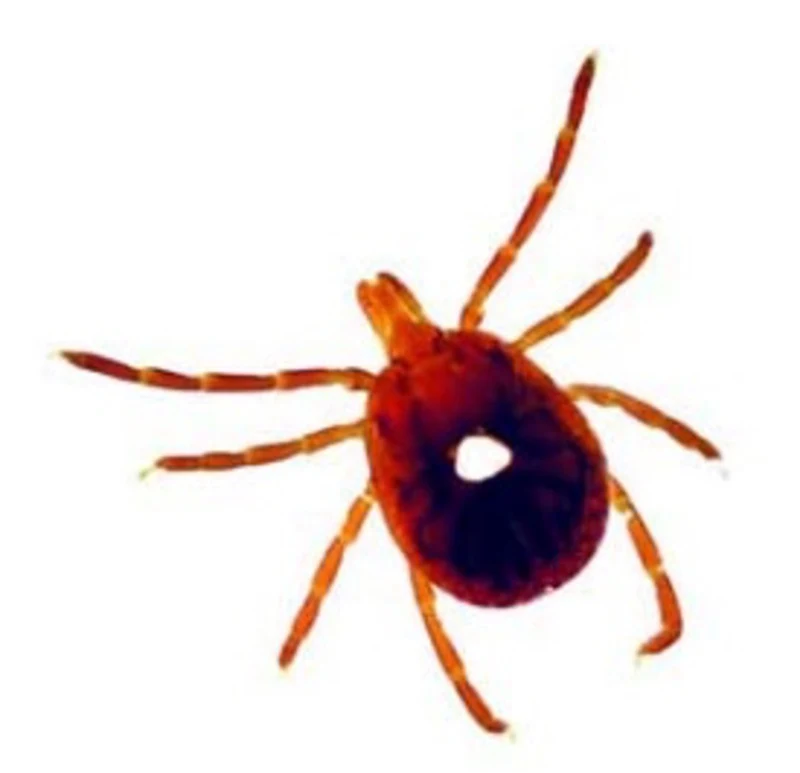
A macro enlarged image of a tick on white background.

UK Department of Entomology: The Lone Star Tick in Kentucky

UK Department of Entomology: The Lone Star Tick in Kentucky

YouTube video highlight

A review of the Lone Start Tick and how to protect yourself against it.

Watch video

UK Department of Entomology: The Lone Star Tick in Kentucky

No se han encontrado artículos.

The Lone Star Tick in Kentucky

The lone star tick (Fig. 1) is an important nuisance pest across Kentucky and can be a vector of some diseases. Its most common hosts are wild mammals and ground-nesting birds but these aggressive ticks readily feed on humans and companion animals.

Lone star ticks are active from March through September (Fig 2). Each of its three active stages (larva, nymph, and adult) requires a blood meal.

Continue reading to learn more, written by Lee Townsend.

UK Department of Entomology: The Lone Star Tick in Kentucky

The Lone Star Tick in Kentucky

The lone star tick (Fig. 1) is an important nuisance pest across Kentucky and can be a vector of some diseases. Its most common hosts are wild mammals and ground-nesting birds but these aggressive ticks readily feed on humans and companion animals.

Lone star ticks are active from March through September (Fig 2). Each of its three active stages (larva, nymph, and adult) requires a blood meal.

Continue reading to learn more, written by Lee Townsend.

Foto miniatura Blog Autor
Professor
Lee Townsend
Lee Townsend is a profess of Emeritus at the University of Kentucky.
Menciones en los medios de comunicación

UK Department of Entomology: The Lone Star Tick in Kentucky

The Lone Star Tick in Kentucky

The lone star tick (Fig. 1) is an important nuisance pest across Kentucky and can be a vector of some diseases. Its most common hosts are wild mammals and ground-nesting birds but these aggressive ticks readily feed on humans and companion animals.

Lone star ticks are active from March through September (Fig 2). Each of its three active stages (larva, nymph, and adult) requires a blood meal.

Continue reading to learn more, written by Lee Townsend.

Foto miniatura Blog Autor
Professor
Lee Townsend
Lee Townsend is a profess of Emeritus at the University of Kentucky.
Menciones en los medios de comunicación
browse all articles
Aquí en Sawyer
En el Este: La ultraatleta Katie Spotz recorre 360 millas en bicicleta por Maine
Read More

Menciones en los medios de comunicación

We’ve used this filter for over 800 miles in the backcountry and it’s still the best option for clean drinking water.

Brett Kretzer
Brett Kretzer
Adventurer. Writer. Creator.

Menciones en los medios de comunicación

Squeeze Water Filtration System by Sawyer

Garaje Grown Gear
Menciones en los medios de Garage Grown Gear

Menciones en los medios de comunicación

This popular repellent from Sawyer has 20% Picaridin, which protects against a wide range of insects, including mosquitoes, ticks, biting flies, gnats, chiggers and sand flies.

Amylia Ryan
Associate Editor
<<  Previous Post
No previous post!
Check out our Directory
Next Post  >>
No next post!
Check out our Directory