



International Header

Family Handyman: 8 plagas de las que hay que cuidarse en el camping

From eating your food to drinking your blood, here's how to prevent camping pests from dampening your outdoor adventures.

Family Handyman: 8 plagas de las que hay que cuidarse en el camping

Last updated:
August 30, 2022
|  5 min read

Family Handyman: 8 plagas de las que hay que cuidarse en el camping

Family Handyman: 8 plagas de las que hay que cuidarse en el camping

YouTube video highlight

From eating your food to drinking your blood, here's how to prevent camping pests from dampening your outdoor adventures.

Read more about the project

Family Handyman: 8 plagas de las que hay que cuidarse en el camping

Thumbnail Slider Image
No se han encontrado artículos.

8 Camping Pests To Watch Out For

From eating your food to drinking your blood, here's how to prevent camping pests from dampening your outdoor adventures.

Mosquitos

No matter where you live, mosquitos are common outdoor companions. “Mosquitoes are one of the most annoying insects, and they’re especially bad when you’re camping,” says Nicholas Kilby of Think Wild.

Start by choosing your campsite wisely. Avoid areas with standing or stagnant water like ponds, puddles and marshes. Also, seek places prone to breezes, which can prevent mosquitoes from swarming.

To further keep them at bay, you’ll likely need a combination of the following:

  • Clothing: Wear loose clothing to cover up exposed skin. A recent study also suggests clothing color can make a difference. Green, purple, blue and white seem to deter mosquitoes, while red, orange, black and cyan attract them. Other studies have shown that stinky items like unwashed socks attract them as well.
  • Chemical repellents: DEET and permethrin are usually effective but can cause allergic reactions and harm the environment, so try to use them in moderation. “DEET can corrode valuable camping equipment and prolonged exposure to high concentrations of permethrin has been linked to different types of cancer,” says Kilby.
  • Natural repellents: Scents like citronella and eucalyptus can help keep mosquitoes away without harsh chemicals. “However, these methods don’t usually work when the mosquitoes are really bad,” says Kilby.
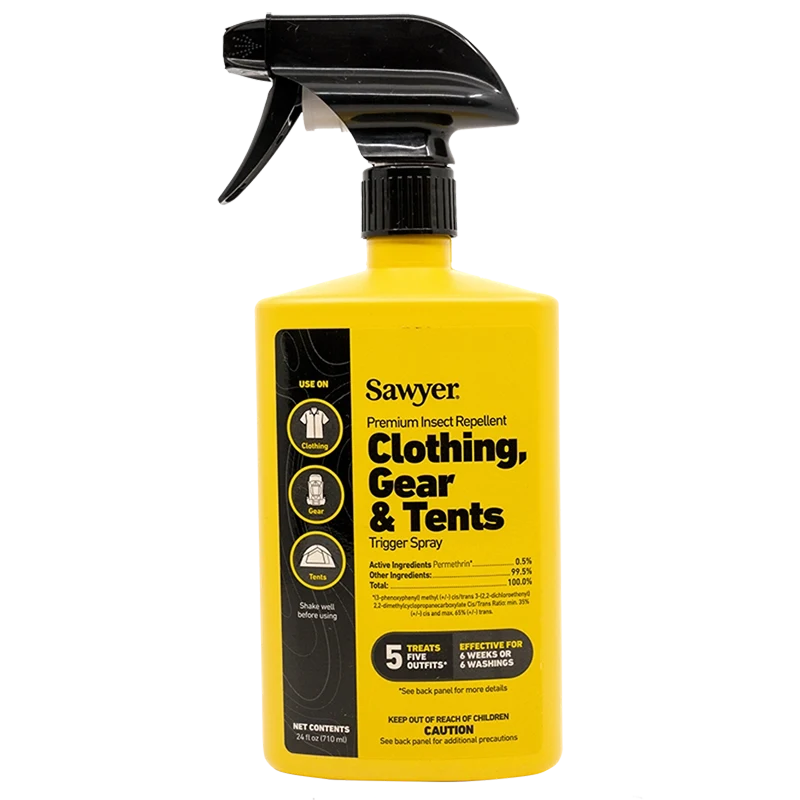
  • Bug-repellant clothes: Some clothing lines are made from or treated with insect repellants. “Exofficio is one of my favorite bug-repellent clothing brands,” Kilby says, “and Sawyer makes great bug repellant for your skin and clothing that will not damage your gear.”
  • Smoke: Smoke from a small fire can bring some relief. But never leave a fire untended, and extinguish it properly to prevent wildfires.

Once you’re bitten, resist the urge to scratch. Scratching increases your histamine response, which makes the bite itch more. And once the skin is broken, you risk infection. An anti-itch cream can help.

Continue reading Karuna Eberl's tips on preventing pests from dampening your outdoor adventures here.

Family Handyman: 8 plagas de las que hay que cuidarse en el camping

8 Camping Pests To Watch Out For

From eating your food to drinking your blood, here's how to prevent camping pests from dampening your outdoor adventures.

Mosquitos

No matter where you live, mosquitos are common outdoor companions. “Mosquitoes are one of the most annoying insects, and they’re especially bad when you’re camping,” says Nicholas Kilby of Think Wild.

Start by choosing your campsite wisely. Avoid areas with standing or stagnant water like ponds, puddles and marshes. Also, seek places prone to breezes, which can prevent mosquitoes from swarming.

To further keep them at bay, you’ll likely need a combination of the following:

  • Clothing: Wear loose clothing to cover up exposed skin. A recent study also suggests clothing color can make a difference. Green, purple, blue and white seem to deter mosquitoes, while red, orange, black and cyan attract them. Other studies have shown that stinky items like unwashed socks attract them as well.
  • Chemical repellents: DEET and permethrin are usually effective but can cause allergic reactions and harm the environment, so try to use them in moderation. “DEET can corrode valuable camping equipment and prolonged exposure to high concentrations of permethrin has been linked to different types of cancer,” says Kilby.
  • Natural repellents: Scents like citronella and eucalyptus can help keep mosquitoes away without harsh chemicals. “However, these methods don’t usually work when the mosquitoes are really bad,” says Kilby.
  • Bug-repellant clothes: Some clothing lines are made from or treated with insect repellants. “Exofficio is one of my favorite bug-repellent clothing brands,” Kilby says, “and Sawyer makes great bug repellant for your skin and clothing that will not damage your gear.”
  • Smoke: Smoke from a small fire can bring some relief. But never leave a fire untended, and extinguish it properly to prevent wildfires.

Once you’re bitten, resist the urge to scratch. Scratching increases your histamine response, which makes the bite itch more. And once the skin is broken, you risk infection. An anti-itch cream can help.

Continue reading Karuna Eberl's tips on preventing pests from dampening your outdoor adventures here.

Foto miniatura Blog Autor
Freelance Writer
Karuna Eberl
A freelance writer and indie film producer, Karuna Eberl covers the outdoors and nature side of DIY, exploring wildlife, green living, travel and gardening for Family Handyman.
Menciones en los medios de comunicación

Family Handyman: 8 plagas de las que hay que cuidarse en el camping

8 Camping Pests To Watch Out For

From eating your food to drinking your blood, here's how to prevent camping pests from dampening your outdoor adventures.

Mosquitos

No matter where you live, mosquitos are common outdoor companions. “Mosquitoes are one of the most annoying insects, and they’re especially bad when you’re camping,” says Nicholas Kilby of Think Wild.

Start by choosing your campsite wisely. Avoid areas with standing or stagnant water like ponds, puddles and marshes. Also, seek places prone to breezes, which can prevent mosquitoes from swarming.

To further keep them at bay, you’ll likely need a combination of the following:

  • Clothing: Wear loose clothing to cover up exposed skin. A recent study also suggests clothing color can make a difference. Green, purple, blue and white seem to deter mosquitoes, while red, orange, black and cyan attract them. Other studies have shown that stinky items like unwashed socks attract them as well.
  • Chemical repellents: DEET and permethrin are usually effective but can cause allergic reactions and harm the environment, so try to use them in moderation. “DEET can corrode valuable camping equipment and prolonged exposure to high concentrations of permethrin has been linked to different types of cancer,” says Kilby.
  • Natural repellents: Scents like citronella and eucalyptus can help keep mosquitoes away without harsh chemicals. “However, these methods don’t usually work when the mosquitoes are really bad,” says Kilby.
  • Bug-repellant clothes: Some clothing lines are made from or treated with insect repellants. “Exofficio is one of my favorite bug-repellent clothing brands,” Kilby says, “and Sawyer makes great bug repellant for your skin and clothing that will not damage your gear.”
  • Smoke: Smoke from a small fire can bring some relief. But never leave a fire untended, and extinguish it properly to prevent wildfires.

Once you’re bitten, resist the urge to scratch. Scratching increases your histamine response, which makes the bite itch more. And once the skin is broken, you risk infection. An anti-itch cream can help.

Continue reading Karuna Eberl's tips on preventing pests from dampening your outdoor adventures here.

Foto miniatura Blog Autor
Freelance Writer
Karuna Eberl
A freelance writer and indie film producer, Karuna Eberl covers the outdoors and nature side of DIY, exploring wildlife, green living, travel and gardening for Family Handyman.
Menciones en los medios de comunicación
browse all articles
Aquí en Sawyer
KBTX: College Station Virtual Golf facility Combines Indoor Entertainment With International Charity Work
Read More

Menciones en los medios de comunicación

This EPA-approved picaridin formula is safe and effective, and it comes in a bottle that’s better than that of competitors at spraying evenly and accurately.

Wirecutter Staff
Staff Writers

Menciones en los medios de comunicación

The Sawyer stayed with me the entire way and I didn’t have to replace it.

Ranger
Senderista

Menciones en los medios de comunicación

This attachment also allows you to back flush your filter.

Purple Rain Adventure Skirts
Página web
<<  Previous Post
No previous post!
Check out our Directory
Next Post  >>
No next post!
Check out our Directory