









Síguenos en Instagram
Más que una empresa de actividades al aire libre.

@sawyerproducts
Follow us on Instagram








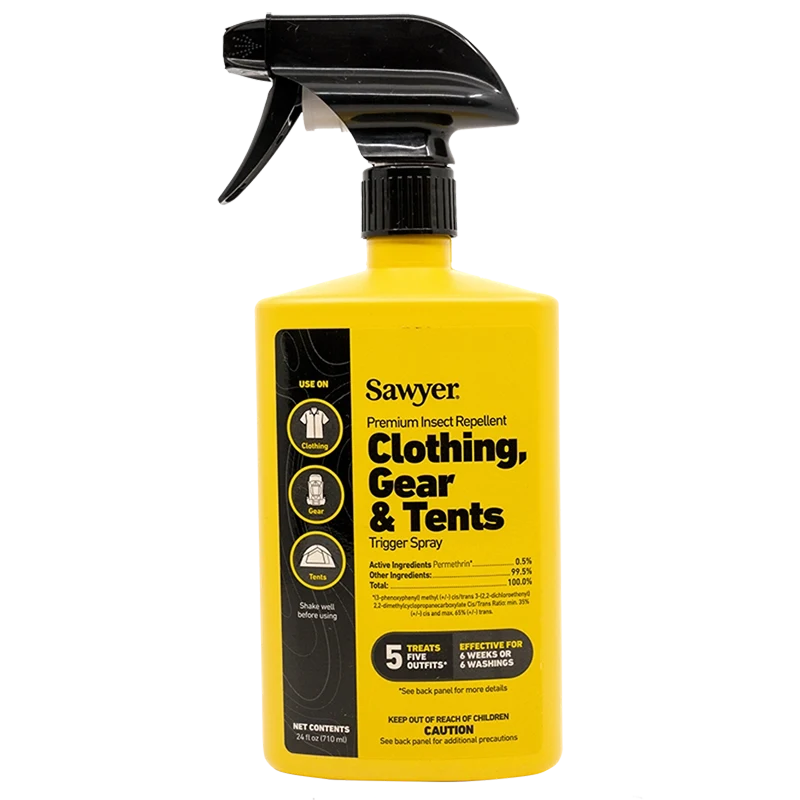
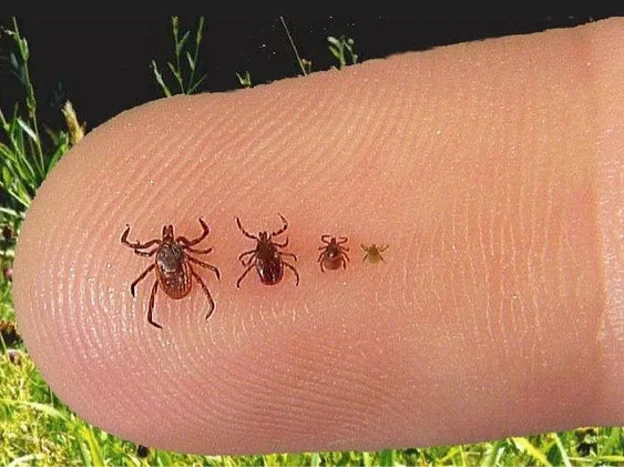
A bug bite is, at best, irritating, and at worst, deadly. This summer, as the weather heats up and we spend more time outside for picnics, camping trips, al fresco dining, and long-awaited summer travel, a bottle of bug spray can be as important to pack as sunscreen.
But it's not as easy as just dousing yourself with bug spray. You need to know how to apply it, how often to reapply, and how to layer it with your favorite SPF.
“As well as following the directions on the bottle (for example, age restrictions on the use of certain formulations), it is important that repellents are applied as a thin, even covering on all exposed areas of skin,” says medical entomologist Cameron Webb, Ph.D. “A dab here and there is not going to provide adequate protection.”
When applying to the face, pediatric dermatologist Joseph Lam, M.D., recommends spraying repellent on your hands first and then patting on skin for application. He also recommends applying insect repellent on children instead of letting them apply it themselves.
According to the CDC, insect repellents should include DEET, picaridin, IR3535, oil of lemon eucalyptus, para-menthane-diol, or 2-undecanone. You should only apply them after sunscreen, and it’s important to rinse off once you’re back home. To know how often to reapply, follow the directions on the product's label.
Of note, insect repellents with non-traditional active ingredients like citronella or geranium oil, rather than the active ingredients recommended by the CDC, have become a popular option in recent years. These ingredients have been tested and approved for safety by the EPA, but were not tested for effectiveness. According to Dr. Webb, there aren’t many products that last as long or work as effectively as DEET. With these factors in mind, we’ve included both types of sprays, and noted the main ingredients in each one.
Now that you know the general guidelines for insect repellent, here are some of the best buy sprays to add to your outdoor packing list, written by Iona Brannon.


A bug bite is, at best, irritating, and at worst, deadly. This summer, as the weather heats up and we spend more time outside for picnics, camping trips, al fresco dining, and long-awaited summer travel, a bottle of bug spray can be as important to pack as sunscreen.
But it's not as easy as just dousing yourself with bug spray. You need to know how to apply it, how often to reapply, and how to layer it with your favorite SPF.
“As well as following the directions on the bottle (for example, age restrictions on the use of certain formulations), it is important that repellents are applied as a thin, even covering on all exposed areas of skin,” says medical entomologist Cameron Webb, Ph.D. “A dab here and there is not going to provide adequate protection.”
When applying to the face, pediatric dermatologist Joseph Lam, M.D., recommends spraying repellent on your hands first and then patting on skin for application. He also recommends applying insect repellent on children instead of letting them apply it themselves.
According to the CDC, insect repellents should include DEET, picaridin, IR3535, oil of lemon eucalyptus, para-menthane-diol, or 2-undecanone. You should only apply them after sunscreen, and it’s important to rinse off once you’re back home. To know how often to reapply, follow the directions on the product's label.
Of note, insect repellents with non-traditional active ingredients like citronella or geranium oil, rather than the active ingredients recommended by the CDC, have become a popular option in recent years. These ingredients have been tested and approved for safety by the EPA, but were not tested for effectiveness. According to Dr. Webb, there aren’t many products that last as long or work as effectively as DEET. With these factors in mind, we’ve included both types of sprays, and noted the main ingredients in each one.
Now that you know the general guidelines for insect repellent, here are some of the best buy sprays to add to your outdoor packing list, written by Iona Brannon.
A bug bite is, at best, irritating, and at worst, deadly. This summer, as the weather heats up and we spend more time outside for picnics, camping trips, al fresco dining, and long-awaited summer travel, a bottle of bug spray can be as important to pack as sunscreen.
But it's not as easy as just dousing yourself with bug spray. You need to know how to apply it, how often to reapply, and how to layer it with your favorite SPF.
“As well as following the directions on the bottle (for example, age restrictions on the use of certain formulations), it is important that repellents are applied as a thin, even covering on all exposed areas of skin,” says medical entomologist Cameron Webb, Ph.D. “A dab here and there is not going to provide adequate protection.”
When applying to the face, pediatric dermatologist Joseph Lam, M.D., recommends spraying repellent on your hands first and then patting on skin for application. He also recommends applying insect repellent on children instead of letting them apply it themselves.
According to the CDC, insect repellents should include DEET, picaridin, IR3535, oil of lemon eucalyptus, para-menthane-diol, or 2-undecanone. You should only apply them after sunscreen, and it’s important to rinse off once you’re back home. To know how often to reapply, follow the directions on the product's label.
Of note, insect repellents with non-traditional active ingredients like citronella or geranium oil, rather than the active ingredients recommended by the CDC, have become a popular option in recent years. These ingredients have been tested and approved for safety by the EPA, but were not tested for effectiveness. According to Dr. Webb, there aren’t many products that last as long or work as effectively as DEET. With these factors in mind, we’ve included both types of sprays, and noted the main ingredients in each one.
Now that you know the general guidelines for insect repellent, here are some of the best buy sprays to add to your outdoor packing list, written by Iona Brannon.
Más que una empresa de actividades al aire libre.

